Antigone Play by Sophocles

Antigone Play by Sophocles

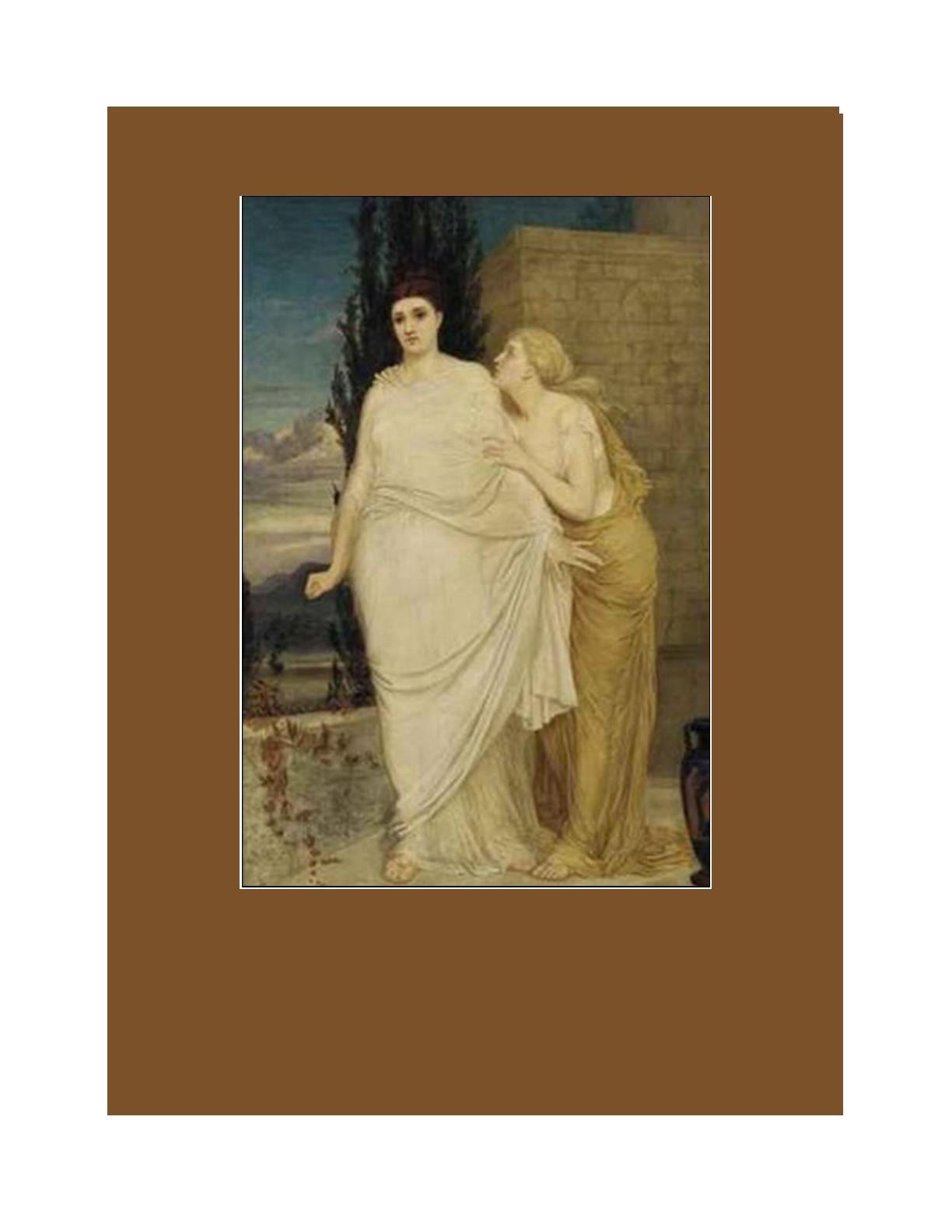
Antigone, a classic Greek tragedy by Sophocles, explores themes of loyalty, justice, and the conflict between individual conscience and state law. The play follows Antigone, the daughter of Oedipus, as she defies King Creon's edict to honor her deceased brother Polyneices with a proper burial. Set in Thebes, the narrative unfolds the tragic consequences of her actions, highlighting the struggle between familial duty and civic responsibility. This version, translated by Dudley Fitts and Robert Fitzgerald, is essential for students and enthusiasts of classical literature and drama. It serves as a critical resource for understanding the moral dilemmas faced by its characters and the implications of their choices.

Key Points

  • Explores the conflict between individual morals and state laws through Antigone's defiance of Creon's edict.
  • Features key characters including Antigone, Creon, and Ismene, each representing different values and beliefs.
  • Set in Thebes, the play examines themes of fate, justice, and the consequences of pride.
  • Translated by Dudley Fitts and Robert Fitzgerald, making it accessible for modern readers and students.
248
/ 41
CC
CLASSICALGREEKTRAGEDY
Sophocles
ANTIGONE
SOPHOCLES (496?-406 B.C.)
Antigone
An English Version by Dudley Fitts and Robert Fitzgerald
Person Represented
ANTIGONE
ISMENE
EURYDICE
CREON
HAIMON
TEIRESIAS
A SENTRY
A MESSENGER
CHORUS
SCENE: Before the Palace of Creon, King of Thebes. A central double door, and two
lateral doors. A platform extends the length of the façade, and from this platform
three steps lead down into the “orchestra”, or chorus-ground. TIME: Dawn of the
day after the repulse of the Argive army from the assault on Thebes.
PROLOGUE
[ANTIGONE and ISMENE enter from the central door of the Palace.]
ANTIGONE:
Ismene, dear sister,
You would think that we had already suffered enough
For the curse on Oedipus:
1
I cannot imagine any grief
That you and I have not gone through. And now ––
5
Have they told you of the new decree of our King Creon?
ISMENE:
I have heard nothing: I know
That two sisters lost two brothers, a double death
In a single hour; and I know that the Argive army
Fled in the night; but beyond this, nothing.
10
ANTIGONE:
I thought so. And that is why I wanted you
To come out here with me. There is something we must do.

1
Oedipus, once King of Thebes, was the father of Antigone and Ismene, and of their brothers Polyneices and Eteocles. Oedipus
unwittingly killed his father, Laios, and married his own mother, Iocaste. When he learned what he had done, he blinded
himself and left Thebes. Eteocles and Polyneices quarreled, Polyneices was driven out but returned to assault Thebes. In the
battle each brother killed the other; Creon became king and ordered that Polyneices be left to rot unburied on the battlefield as a
traitor. [Editors’ note]
ISMENE:
Why do you speak so strangely?
ANTIGONE:
Listen, Ismenê:
Creon buried our brother Eteoclês
15
With military honors, gave him a soldier’s funeral,
And it was right that he should; but Polyneicês,
They fought as bravely and died as miserably,--
They say that Creon has sworn
No one shall burry him, no one mourn for him,
20
But this body must lie in the fields, a sweet treasure
For carrion birds to find as they search for food.
That is what they say, and our good Creon is coming here
To announce it publicly; and the penalty ––
Stoning to death I the public squarel
There it is,
25
And now you can prove what you are:
A true sister, or a traitor to your family.
ISMENE:
Antigone, you are mad! What could I possibly do?
ANTIGONE:
You must decide whether you will help me or not.
ISMENE:
I do not understand you. Help you in what?
30
ANTIGONE:
Ismene, I am going to bury him. Will you come?
ISMENE:
Bury him! You have just said the new law forbids it.
ANTIGONE:
He is my brother. And he is your brother, too.
ISMENE:
But think of the danger! Think what Creon will do!
ANTIGONE:
Creon is not enough to stand in my way.
15
ISMENE:
Ah sister!
Oedipus died, everyone hating him
/ 41
End of Document
248
You May Also Like

FAQs of Antigone Play by Sophocles

What is the main conflict in Sophocles' Antigone?
The primary conflict in Antigone arises between Antigone and King Creon. Antigone defies Creon's decree that forbids the burial of her brother Polyneices, who is deemed a traitor. This act of defiance sets off a tragic chain of events, highlighting the struggle between personal duty to family and adherence to state laws. Antigone believes that divine law supersedes human law, leading her to prioritize her moral obligations over Creon's authority.
Who are the main characters in Antigone and their roles?
The main characters in Antigone include Antigone, the determined sister who defies Creon's orders to honor her brother; Creon, the king of Thebes who represents state law and authority; Ismene, Antigone's sister who initially hesitates to join her in rebellion; and Haimon, Creon's son and Antigone's fiancé, who struggles between loyalty to his father and love for Antigone. Each character embodies different themes, such as loyalty, justice, and the consequences of pride.
What themes are explored in Antigone?
Antigone delves into several profound themes, including the conflict between individual conscience and state law, the nature of justice, and the consequences of pride and stubbornness. The play raises questions about moral duty versus civic duty, as Antigone's commitment to her family clashes with Creon's insistence on law and order. Additionally, themes of fate and the power of the gods are woven throughout the narrative, emphasizing the tragic outcomes of human actions.
What is the significance of Antigone's actions in the play?
Antigone's actions are significant as they challenge the authority of Creon and highlight the moral dilemmas faced by individuals in the face of unjust laws. By choosing to bury her brother, she asserts her belief in divine law over human law, showcasing the theme of individual moral responsibility. Her defiance ultimately leads to tragic consequences, illustrating the cost of standing up for one's beliefs and the complexities of justice and loyalty.

Related of Antigone Play by Sophocles