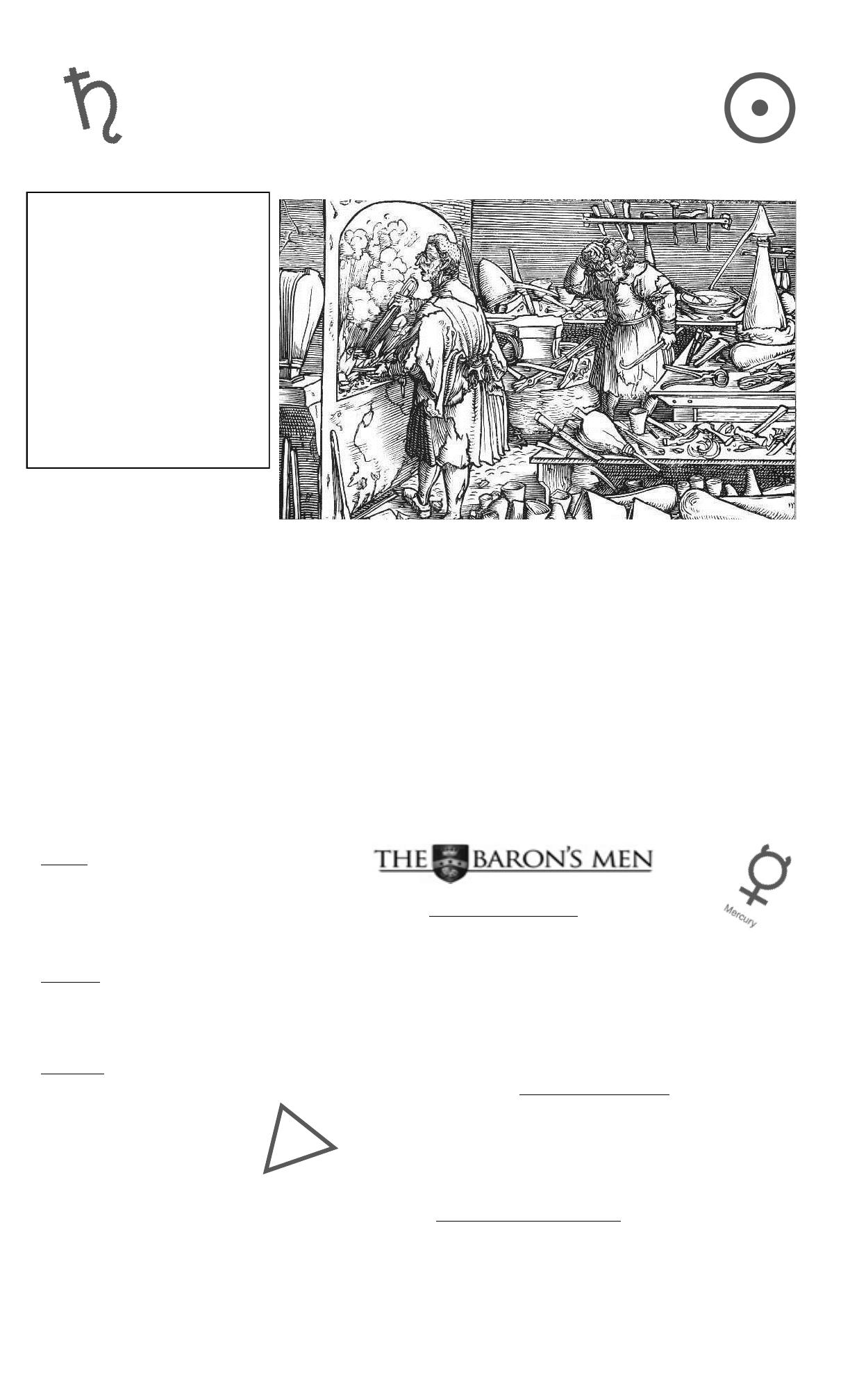
The Alchemist by Ben Jonson is a comedic play set in London during the Plague, focusing on the characters Subtle, Dol Common, and Face as they engage in a series of cons to secure their fortunes. The narrative unfolds through their interactions with various hypocritical characters seeking the mythical Philosopher's Stone, which promises wealth and immortality. Themes of deception, greed, and the human condition are explored as the trio navigates their schemes. This play is ideal for theater enthusiasts and students studying classic literature, offering insights into 17th-century society and the art of con artistry.

Key Points

  • Explores themes of deception and greed through the character dynamics of Subtle, Dol Common, and Face.
  • Set against the backdrop of London during the Plague, highlighting societal issues of the time.
  • Features a range of characters, each representing different vices and moral failings.
  • Incorporates the mythical Philosopher's Stone as a central plot device symbolizing wealth and immortality.
newtopiccyclegrowin
2 pages
newtopiccyclegrowin
2 pages
176
/ 2
“ The Alchemist”
by Ben Jonson
The streets of London are harsh and overrun with the Plague. It is difficult to stay
alive, especially when you are past your prime. Subtle and Dol Common are two
such survivors. He a shady alchemist of sorts. She his ever faithful whore. They
find themselves in league with Face, the housekeeper for an unscrupulous
master that has fled the city to escape the Black Death. With their visions of fu-
ture comforts dancing before them, the three conspire against a host of scoundrels
in the hopes of securing their fortunes. A parade of hypocritical miscreants, all
with vices of their own, seek out the threesome to gain some profound profit.
’They shall find things they’d think, or wish, were done.’ All things culminate
into the con of cons, the Philosopher’s Stone. The bringer of all that is fortune.
Watch The Baron’s Men unfold the tale before you and perchance you will find
yourselves in the players at hand. Remember, ‘They are so natural follies, but so
shown, as even the doers may see, and yet not own.’
Master of Masters: Casey Weed
Subtle: Todd Kassens
Jeremy/ Face: Heath Thompson
Dol Common: Bridget Farias
Lovewit: Harry Conner
Kastril: Eva McQuade
Dame Pliant: Sarah Lee
Dapper: Ben McLemore
Abel Drugger: Joshua Moretto
Epicure Mammon: Michael O’Keefe
Surly: Katy Thompson / Bradley Wright
Tribulation Wholesome: Jimmie
Bragdon
Ananias: Chris Casey
Dancers:
Lindsay Palinsky (Mistress of Dance)
Tina Peppas Celeste Sharp Shelton
Hanna Haide Bradley Wright
Neighbors: Liegh Hegedus
Julio Mella Gene Storie
Mike Osborn Randy Egan
Production:
Head Mistress: Laura Trezise
Head Mistress’ Man: Brian Martin
Mistress of Book: Hallie Casey
Prop Master: Joanna Casey
Torchierre: Eric Johnson
Mistress of House: Katrina Anderson
Dramaturge: Robert Stevens
Captain of Combat: Toby Minor
Stage Crew: Jennifer Fielding
House Crew: Drew Trezise
House Crew: Carrie Casey
Our Talented Stichers:
Holly Franz Cristina Ayala Leah Adams
Hanna Haide Pam Martin Liegh Hegedus Katy Thompson
Casey Weed Dawn Allee Lindsay & Adria Palinsky
Set Master & Helping Hands:
Casey Weed Laura Trezise Hallie Casey Chris Casey Joshua Moretto
Katrina Anderson Drew Trezise Celeste Sharp Shelton Carrie Casey Joanna Casey
Jimmie Bragdon Chris Walden Jennifer Fielding Lindsay Palinsky
Eric Johnson Gene Storie James Schwarz
The Nimble Marmosets:
Cindy Schuafenbuel (Mistress of Music) aka. Phoebe Mayflower
David Shankle (Muse of Music) aka.Sansjoy Wetmath
Sandy Straubhaar aka.Tibiana Habioro
Michael Mendoza (featured maestro) aka.Starcat Wolsey
Cherie Weed aka. Sweet Pea
T he sickness hot, a master quit, for fear
H is house in town, and left one servant there;
E ase him corrupted, and gave means to know
A Cheater, and his punk; who now brought low,
L eaving their narrow practice, were become
C ozeners at large; and only wanting some
H ouse to set up, with him they here contract
E ach for a share, and all begin to act
M uch company they draw, and much abuse,
I n casting figures, telling fortunes, news
S elling of flies, flat bawdry with the stone

Special Thanks to:
John Pointer: Local Music Master
www.johnpointer.com
John Cboins: Local Art Master
www.cboins.com
Chris Walden: Master Magician
www.paranormalist.net
Chris Eckert: Master of Film
Find him on Facebook
Super Special thanks to our friends at the
Bonecrusher Blog for believing, laughing, and,
most importantly, promoting us on their blog. They
have been tremendous supporters and we appreciate
them greatly. Please follow their blog at
www.bonecrusherblog.wordpress.com
The Baron’s Men is funded and supported in part by the City of Austin through the Cultural
arts Division and is also a sponsored project of Austin Creative Alliance
We also love the Emily Ann
Theater. Please check out
their Butterfly Festival and
summer musical at:
www.emilyann.org
Act I:
Lovewit leaves his house to his butler, Jeremy, who opens the house to musicians
and neighbors.
Jeremy meets Dol and Subtle, whore and pimp con men on the street
Jeremy learns the con from Subtle and disguises himself as Captain Face to con
several Londoners with his new partners but the three have an uneasy peace.
Acts II and III:
The 3 set up cons for a gambling clerk, a filthy, greedy shopkeeper, a pair of holi-
er-them-thou puritans, an angry brother with a rich, widowed sister, and a lecher-
ous knight.
Each ‘mark’ is promised that their dreams will be made true with the magical
‘Philosopher’s Stone’, being made in the oven by mystical means.
The knights friend, Surly, is a skeptic who suspects something is amiss and devis-
es a plan to find them out.
They pull a fantastical con on the clerk by convincing him he is the nephew of the
Queen of Faeries.
Sir Epicure Mammon is convinced to bring all his metal belongings to the
alchemist so they can be changed into gold with the stone.
Acts IV and V
Things get… complicated
We end with a laugh and a jig!
Ben Jonson narrowly escaped
the gallows for killing an actor
in a duel in 1598
Ben Jonson was
the sole author of
sixteen plays and
collaborated in at
least eight more
Ben Jonson was
imprisoned 3 times
over the
course of his
lifetime.
The Philosopher’s Stone
was thought to cure ill-
ness, prolong life, and
bring about spiritual
revitalization and
immortality
The Black
Plague was
primarily spread
through London
by fleas and rats
A livery three
pound thrum
is a shabbily
dressed, poorly
paid underling.
The Philosopher's Stone showing its Twin Nature
We are always looking for new people to share our vision of historical thea-
ter and be a part of our troupe. If you wish to know more about or make a
donation to The Baron’s Men please visit our website at:
www.thebaronsmen.org
Lysts on the Lake 2012
The pageantry of beautiful horses and
the prestige of their regal Knights in
their brilliant armor demonstrating
their superb skills as one force.
The overwhelming sense of honor
you walk away with after watching a
day of chivalric challenges.
Coming in Fall 2012:
Medieval Macabre II
Prepare to be scared even
more then before with our
own creation that promises
to make you think twice
about those dusty old books
in your attic
/ 2
End of Document
176

FAQs

What are the main themes in The Alchemist by Ben Jonson?
The Alchemist delves into themes of deception, greed, and the folly of human ambition. The characters engage in various cons, revealing their moral failings and the lengths to which they will go for wealth. The play critiques societal norms and highlights the absurdity of human desires, particularly the pursuit of the mythical Philosopher's Stone, which symbolizes unattainable wealth and immortality.
Who are the main characters in The Alchemist?
The primary characters include Subtle, a cunning alchemist; Dol Common, his loyal accomplice; and Face, the crafty housekeeper. Each character embodies different aspects of greed and ambition, working together to deceive various marks for profit. Their interactions and schemes drive the comedic plot, showcasing their cleverness and the eventual consequences of their actions.
How does The Alchemist reflect 17th-century society?
The Alchemist provides a satirical look at 17th-century London, particularly during the Plague. It highlights the desperation and moral ambiguity of individuals seeking fortune amidst societal collapse. The characters' interactions with various societal archetypes, such as the greedy shopkeeper and the hypocritical puritans, reflect the era's complexities and the human condition's timeless nature.
What role does the Philosopher's Stone play in the plot?
The Philosopher's Stone is a central plot device in The Alchemist, symbolizing the ultimate goal of wealth and immortality. The characters promise their marks that they can transform base metals into gold using the stone, which drives the comedic tension throughout the play. This mythical element serves as a critique of human greed and the folly of believing in easy riches.
What is the significance of the setting in The Alchemist?
Set in London during the Plague, the backdrop of The Alchemist enhances the themes of desperation and moral decay. The city’s chaotic atmosphere mirrors the characters' frantic schemes and the societal breakdown occurring around them. This setting not only provides context for the characters' actions but also serves as a commentary on the human condition in times of crisis.
What comedic elements are present in The Alchemist?
The Alchemist employs various comedic elements, including mistaken identities, clever wordplay, and absurd situations. The characters' elaborate cons and the humorous interactions with their marks create a farcical atmosphere. Jonson's use of satire to critique societal norms adds depth to the comedy, making it both entertaining and thought-provoking.

