William Shakespeare Unlocked Year 6 Study Resource

William Shakespeare Unlocked Year 6 Study Resource

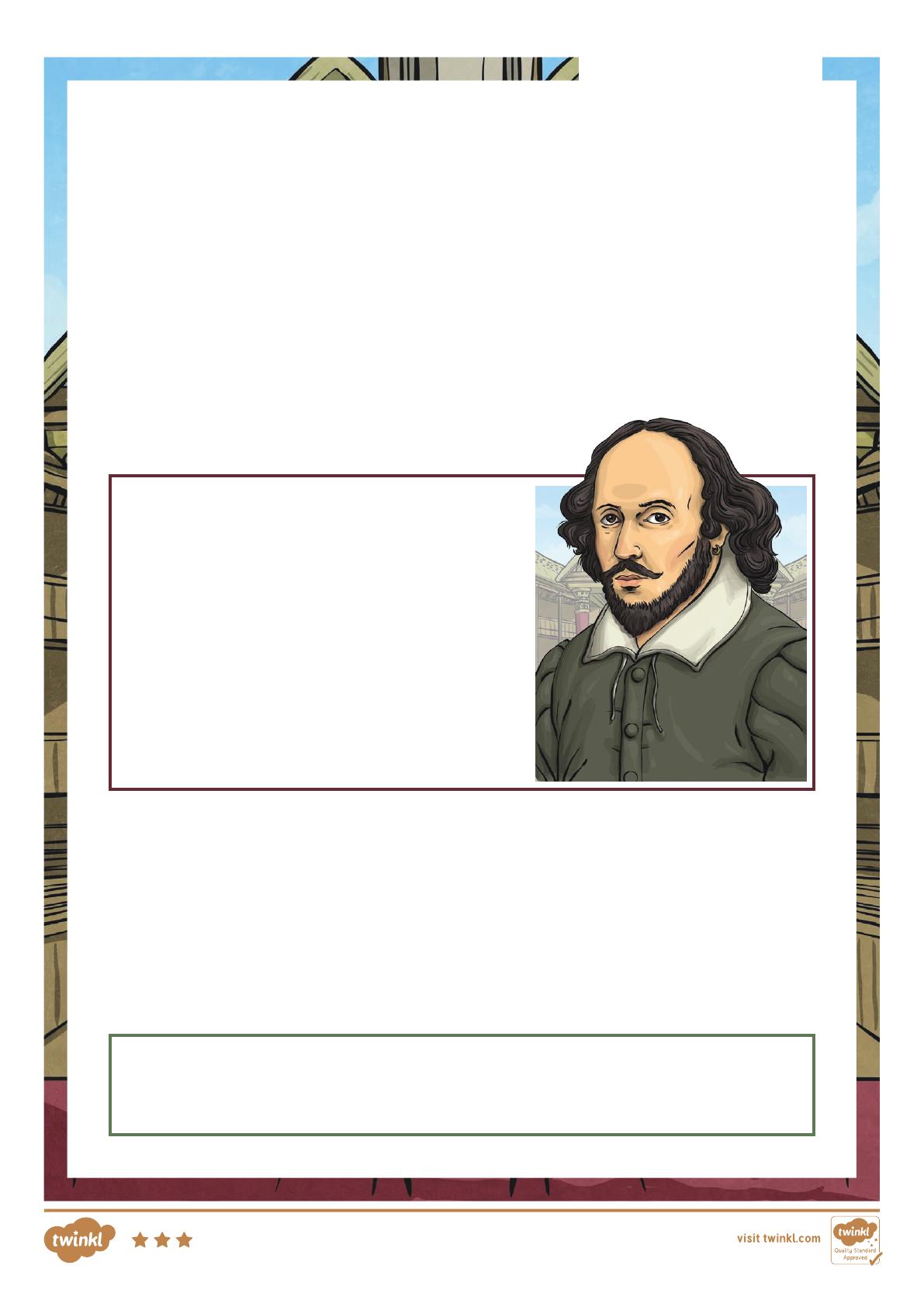
William Shakespeare Unlocked provides an engaging overview of the life and works of William Shakespeare, focusing on his contributions to literature and drama. This resource is ideal for Year 6 students studying Shakespeare's plays, including comedies and tragedies. It covers key themes such as love, jealousy, and the human experience, while also highlighting significant works like 'Romeo and Juliet' and 'Hamlet.' The document includes insights into Shakespeare's family life and his impact on the English language. Perfect for educational settings, this resource enhances understanding of Shakespeare's relevance in today's world.

Key Points

  • Explores the life of William Shakespeare, including his birth and family background.
  • Covers major works such as 'Hamlet,' 'Romeo and Juliet,' and various comedies.
  • Discusses the themes of love, jealousy, and human experience in Shakespeare's plays.
  • Highlights Shakespeare's influence on the English language and literature.
  • Ideal for Year 6 students studying Shakespeare in school.

294
/ 6
William Shakespeare
William Shakespeare’s Family
William Shakespeare is thought to

 
      


     








     
      
 




     
    
      
     




Shakespeare, the Young Man
Shakespeare the Playwright
     
acting company that William partly
     


   

Shakespeare was beginning to earn a lot


   
 
     



William Shakespeare
         



    




     
   


     



      

     
     





            

Shakespeare’s Plays
A Lasting Legacy

     
      



hobnob




lacklustre

Questions
 
 

a)
b)
 
 
 
 

William Shakespeare
False





/ 6
End of Document
294
You May Also Like

FAQs of William Shakespeare Unlocked Year 6 Study Resource

What are the main themes in Shakespeare's plays?
Shakespeare's plays often explore universal themes such as love, jealousy, ambition, and the complexities of human nature. His comedies frequently highlight misunderstandings and romantic entanglements, while his tragedies delve into darker themes like betrayal, loss, and the consequences of one's actions. Works like 'Romeo and Juliet' examine the intensity of young love and its tragic consequences, while 'Hamlet' explores themes of revenge, madness, and existential questioning. These themes resonate with audiences across generations, making Shakespeare's work timeless.
What is the significance of Shakespeare's contributions to the English language?
William Shakespeare is credited with coining over 1,700 words and popularizing countless phrases still used today. His inventive use of language and ability to capture the complexities of human emotion have enriched the English language significantly. Phrases like 'break the ice' and 'wild goose chase' originated from his works, showcasing his creativity and linguistic prowess. This contribution not only enhanced the richness of English but also influenced countless writers and playwrights who followed, solidifying his legacy as one of the greatest literary figures.
How did Shakespeare's family life influence his writing?
Shakespeare's family life played a crucial role in shaping his writing. He married Anne Hathaway at a young age and had three children, which likely influenced themes of love and family dynamics in his plays. The loss of his son Hamnet at a young age may have contributed to the tragic elements found in his works, reflecting deep emotional experiences. Additionally, his background as the son of a successful merchant provided him with insights into various social classes, enriching the characters and situations depicted in his plays.
What are some of the notable comedies written by Shakespeare?
Shakespeare's notable comedies include 'Much Ado About Nothing,' 'A Midsummer Night's Dream,' and 'The Taming of the Shrew.' These plays often revolve around themes of love, mistaken identities, and humorous misunderstandings. 'Much Ado About Nothing' features witty banter and a complex plot involving deception and romance, while 'A Midsummer Night's Dream' explores the whimsical nature of love through magical elements and enchanted forests. 'The Taming of the Shrew' addresses gender roles and relationships, showcasing Shakespeare's ability to blend humor with social commentary.
What is the historical context of Shakespeare's works?
Shakespeare's works were written during the late 16th and early 17th centuries, a period marked by significant social, political, and cultural changes in England. The Elizabethan era, named after Queen Elizabeth I, was characterized by a flourishing of the arts and the establishment of the English Renaissance. Shakespeare's plays often reflect the complexities of this time, addressing issues such as power, class struggle, and human emotion. The rise of the theatre as a popular form of entertainment also provided a platform for Shakespeare to reach diverse audiences, influencing the development of English drama.
What are the key characteristics of Shakespeare's tragedies?
Shakespeare's tragedies are characterized by their exploration of profound themes such as fate, ambition, and the human condition. Central to these plays is the tragic hero, often a noble character with a fatal flaw that leads to their downfall. Works like 'Hamlet' and 'Macbeth' illustrate this through complex characters grappling with moral dilemmas and existential questions. The use of dramatic irony, soliloquies, and intense emotional conflict further enhances the tragic experience, allowing audiences to engage deeply with the characters' struggles and the consequences of their choices.

Related of William Shakespeare Unlocked Year 6 Study Resource