Dealing with Distress by Carol Vivyan

Dealing with Distress by Carol Vivyan

Dealing with Distress offers practical coping strategies for managing emotional distress, drawing on principles from Dialectical Behavior Therapy (DBT). Carol Vivyan outlines various techniques such as mindfulness, relaxation, and emotion regulation to help individuals navigate challenging situations. This resource is designed for anyone seeking healthier ways to cope with distressing emotions and improve their mental well-being. The guide emphasizes the importance of self-acceptance and developing positive coping mechanisms to break the cycle of negative emotions. Ideal for therapists, counselors, and individuals looking to enhance their emotional resilience.

Key Points

  • Explains distress tolerance skills to manage emotional crises effectively.
  • Includes mindfulness techniques to enhance present-moment awareness.
  • Offers practical exercises for relaxation and self-soothing.
  • Describes the 'IMPROVE' and 'ACCEPT' acronyms for coping strategies.
  • Provides worksheets for tracking emotions and responses to distress.
  • Discusses the importance of positive self-talk and affirmations.
185
/ 42
Dealing with Distress
An introduction to healthy coping strategies
Carol Vivyan
2009
www.get.gg
www.getselfhelp.co.uk
1
www.getselfhelp.co.uk
©Carol Vivyan 2009, permission to use for therapy purposes
www.get.gg
Contents
Page
Introduction
2
Distress Tolerance
3
IMPROVE & ACCEPT (acronyms in italics)
4
Distraction & Pleasurable Activities
4-7
Relaxation
8
Safe Place Visualisation
11
Positive Affirmations
12
Mindfulness
11
Wise Mind
17
Wise Inner Advisor Visualisation
19
Colour Breathing
20
Emotion Regulation
21
Opposite Action, Opposite Emotion, PLEASE Master
22
Emotions and their associated thoughts and reactions
24
Dealing with Negative Emotions – quick reference
25
Dealing with Distress Worksheets
26
Questions to ask when you‟re distressed
28
Fact or Opinion?
29
Interpersonal Effectiveness
30
DEAR MAN & GIVE
30
FAST
31
Assertiveness
32
Communication Styles – Passive, Assertive, Aggressive
33
Handling Criticism
34
Saying No
36
Telling others what we want
37
STOPP – 5 steps to deal with distressing situations
38
The Helicopter View
39
Positive Steps to Wellbeing
40
Further copies are available to freely download from www.get.gg
www.getselfhelp.co.uk/freedownloads.htm
2
www.getselfhelp.co.uk
©Carol Vivyan 2009, permission to use for therapy purposes
www.get.gg
Introduction
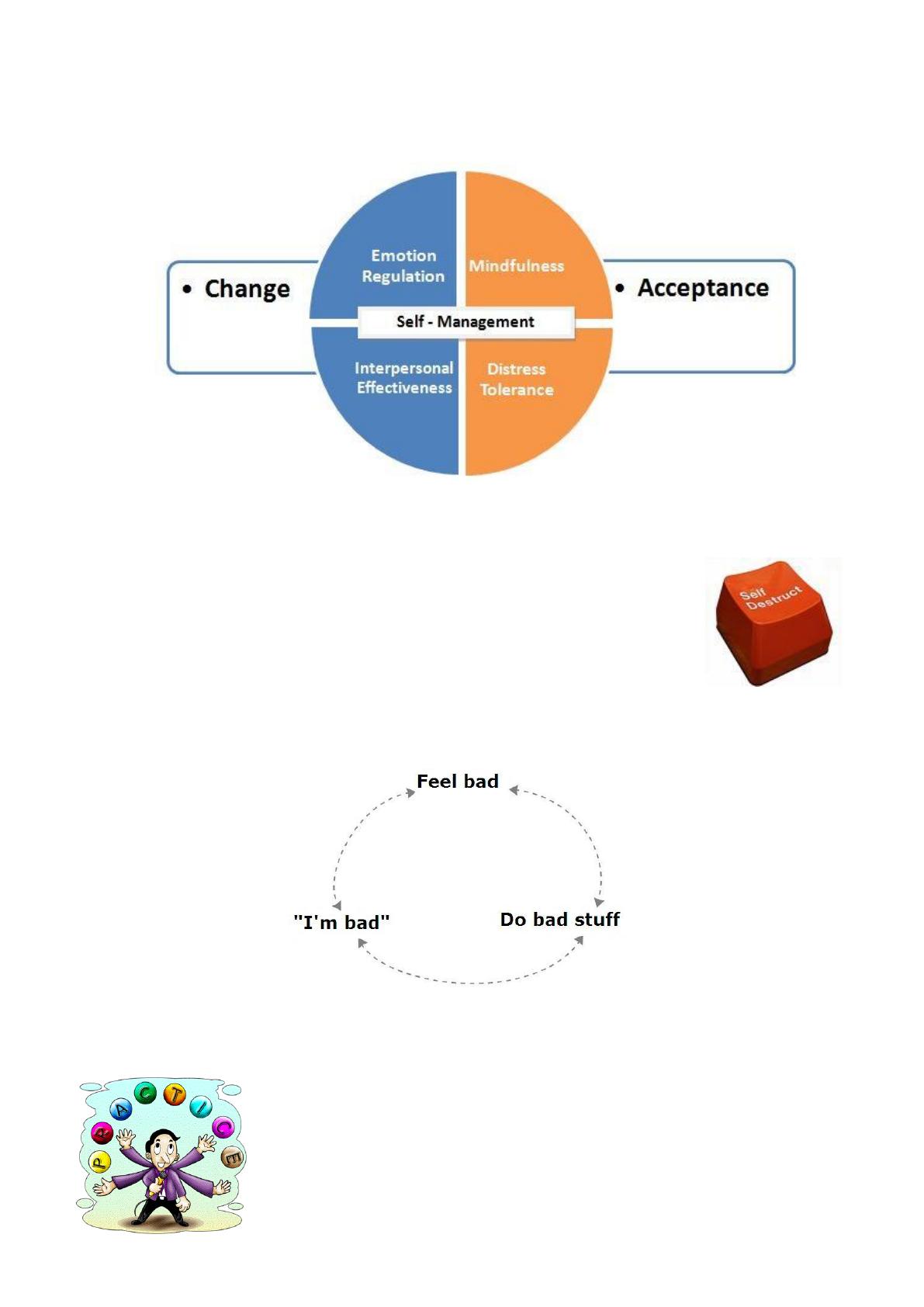
This booklet is only intended as an introduction to (or reminder of) healthy coping strategies used
to help us deal with distress, using the headings from the core skills used in DBT (Dialectical
Behaviour Therapy):
When we feel upset or distressed, we normally react automatically, without thinking about the
consequences. And we can often get into the habit of using unhelpful and often self-destructive
behaviours to help us cope. These may include:
 Self-harm including cutting or taking „overdoses‟
ï‚§ Under or over-eating
ï‚§ Using or relying on drugs and alcohol
ï‚§ Depending on physical exercise
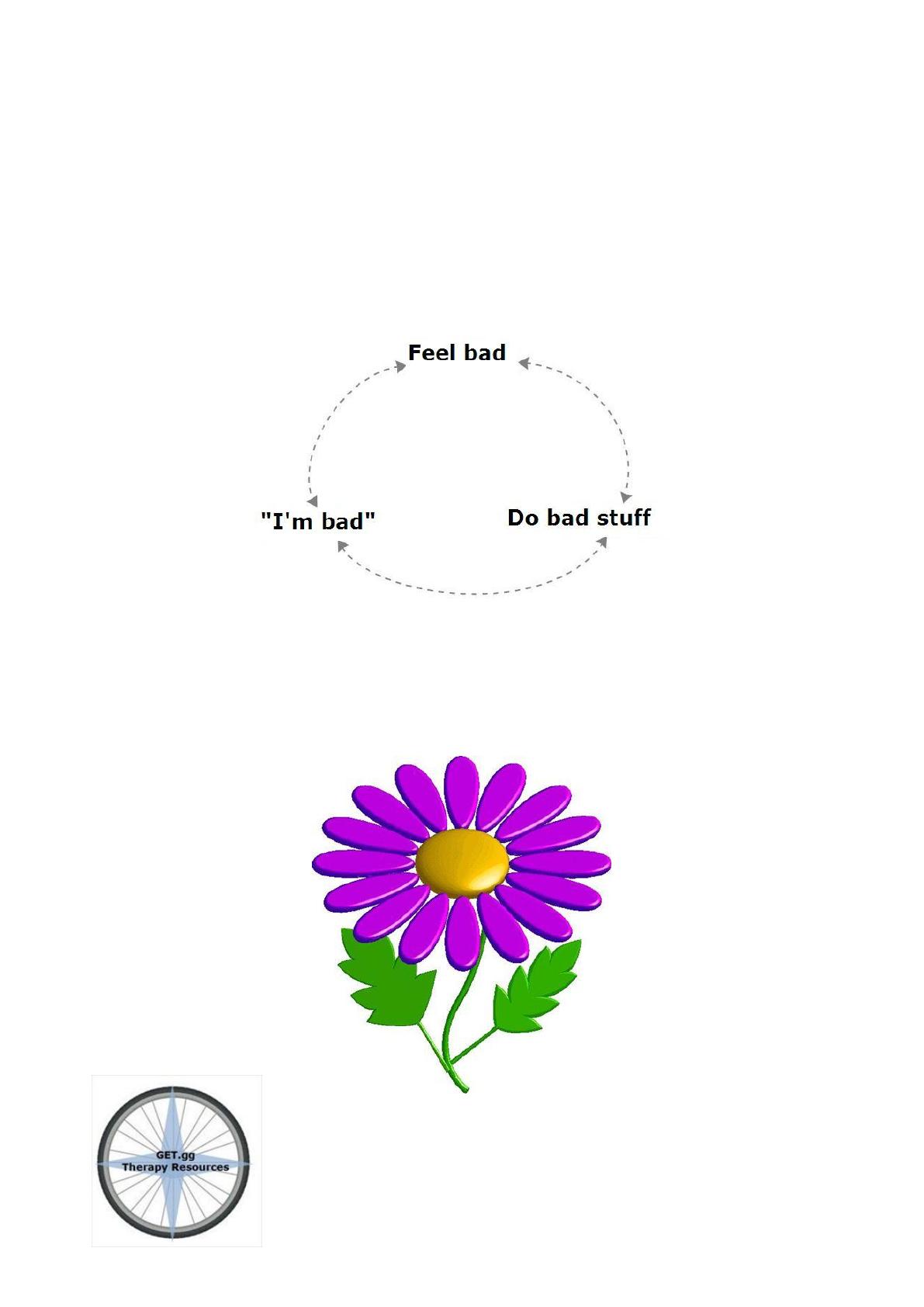
When we use these self-destructive coping behaviours, we often then get caught up in thinking
we‟re bad for doing them, which makes us feel even worse, and may make us more likely to keep
on doing them. A vicious cycle.
In order to break that cycle, we can learn to do doings differently, including learning new healthy
coping skills which will help us feel better about ourselves and others, and learning to understand
and see our thoughts differently.
This leaflet aims to suggest introductions to alternative, healthier ways of
coping, but like with anything else in real life, it‟s not easy or a quick fix –
it has to be worked consistently hard at, and the only certainty is that it
takes a lot of practice, practice, practice!
/ 42
End of Document
185
You May Also Like

FAQs of Dealing with Distress by Carol Vivyan

What are the main coping strategies discussed in Dealing with Distress?
Dealing with Distress outlines various coping strategies, including distress tolerance skills, mindfulness practices, and relaxation techniques. The guide emphasizes the use of acronyms like 'IMPROVE' and 'ACCEPT' to help individuals remember effective coping methods. Techniques such as visualization, positive affirmations, and emotion regulation are also covered, providing a comprehensive toolkit for managing distress. These strategies aim to help individuals break the cycle of negative emotions and develop healthier responses to stress.
How does mindfulness play a role in managing distress?
Mindfulness is a key component in managing distress as outlined in Dealing with Distress. It encourages individuals to focus on the present moment, observing thoughts and feelings without judgment. This practice helps reduce anxiety and enhances emotional regulation by allowing individuals to recognize their emotional responses without becoming overwhelmed. The guide provides specific mindfulness exercises, such as mindful breathing and body scanning, to cultivate awareness and acceptance of one's emotional state.
What is the significance of the 'IMPROVE' acronym in the guide?
The 'IMPROVE' acronym serves as a memory aid for various coping strategies outlined in Dealing with Distress. Each letter represents a different technique: Imagery, Meaning, Prayer, Relaxation, One thing at a time, Vacation, and Encouragement. These strategies are designed to help individuals manage distressing emotions by promoting positive actions and thoughts. By applying the 'IMPROVE' techniques, individuals can enhance their emotional resilience and navigate challenging situations more effectively.
What worksheets are included in Dealing with Distress?
Dealing with Distress includes several worksheets designed to help individuals track their emotions and responses to distressing situations. These worksheets guide users in identifying their emotional triggers, analyzing their thoughts, and evaluating their coping strategies. By filling out these worksheets, individuals can gain insights into their emotional patterns and develop more effective coping mechanisms. This reflective practice is crucial for fostering emotional awareness and resilience.
How does the guide suggest dealing with negative emotions?
The guide suggests several strategies for dealing with negative emotions, including the use of positive self-talk and the practice of opposite action. It emphasizes the importance of recognizing and validating one's feelings while also encouraging individuals to challenge unhelpful thoughts. Techniques such as distraction, engaging in pleasurable activities, and practicing relaxation exercises are recommended to help shift focus away from distressing emotions. By implementing these strategies, individuals can cultivate a healthier emotional landscape.
What role does self-acceptance play in coping with distress?
Self-acceptance is a central theme in Dealing with Distress, as it encourages individuals to acknowledge their feelings without judgment. The guide emphasizes that accepting one's emotional state is crucial for effective coping and emotional regulation. By fostering self-acceptance, individuals can reduce the stigma associated with their feelings and break the cycle of negative self-talk. This acceptance allows for a more compassionate approach to self-care and enhances overall emotional well-being.

Related of Dealing with Distress by Carol Vivyan