Piriformis Syndrome Patient Information Sheet NHS Lothian

Piriformis Syndrome Patient Information Sheet NHS Lothian

Piriformis syndrome is a condition affecting the piriformis muscle located deep in the buttock, which can compress the sciatic nerve. Symptoms include tingling, numbness, and burning sensations in the back of the thigh, as well as tenderness in the buttock and dull aches in the hip and groin. Treatment options involve ice therapy, rest, flexibility and strength exercises, and pain management strategies. This patient information sheet is designed for individuals experiencing symptoms related to piriformis syndrome and outlines effective management techniques. It also provides guidance on self-referral for physiotherapy services in the NHS Lothian area.

Key Points

  • Explains the causes and symptoms of piriformis syndrome, including nerve compression and muscle strain.
  • Outlines treatment options such as ice therapy, rest, and targeted exercises for symptom relief.
  • Includes self-referral information for physiotherapy services in NHS Lothian.
  • Describes risk factors associated with piriformis syndrome, including sports activities and poor physical conditioning.
385
/ 2
Piriformis Syndrome
Patient Information Sheet
What do I need to know?
1
What is my diagnosis?
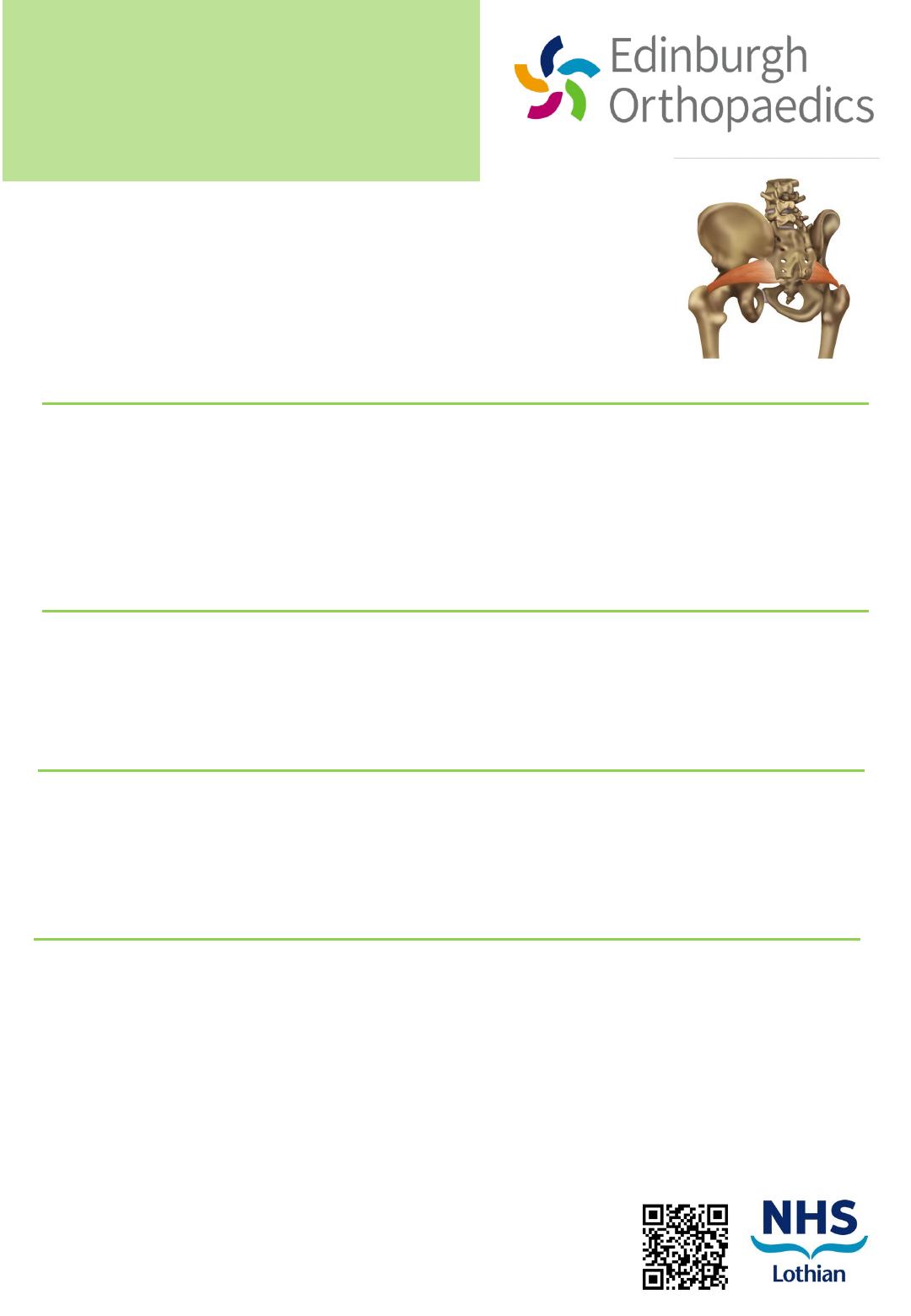
Piriformis is a muscle deep in the buttock which works to
rotate the leg outwards.
The sciatic nerve travels near or through the muscle and
can get compressed at this point.
Frequent signs and symptoms
Tingling, numbness, burning in back of thigh, occasionally to the foot
Tenderness in the buttock
Dull ache/burning in hip, groin, mid buttock, back of thigh
Heaviness or fatigue of the leg
Worse with sitting on hard chair.
Causes of piriformis syndrome
Pressure on the sciatic nerve by piriformis muscle
Sudden increase in amount or intensity of activity
Compensation from other lower extremity injuries.
Risk of piriformis syndrome increases with
Sports with running, jumping
Prolonged walking, walking up stairs or hills
Poor physical conditioning (lack of strength, flexibility).
How can it be treated?
Ice packs x 20 mins regularly to reduce inflammation
Rest from the aggravating activity
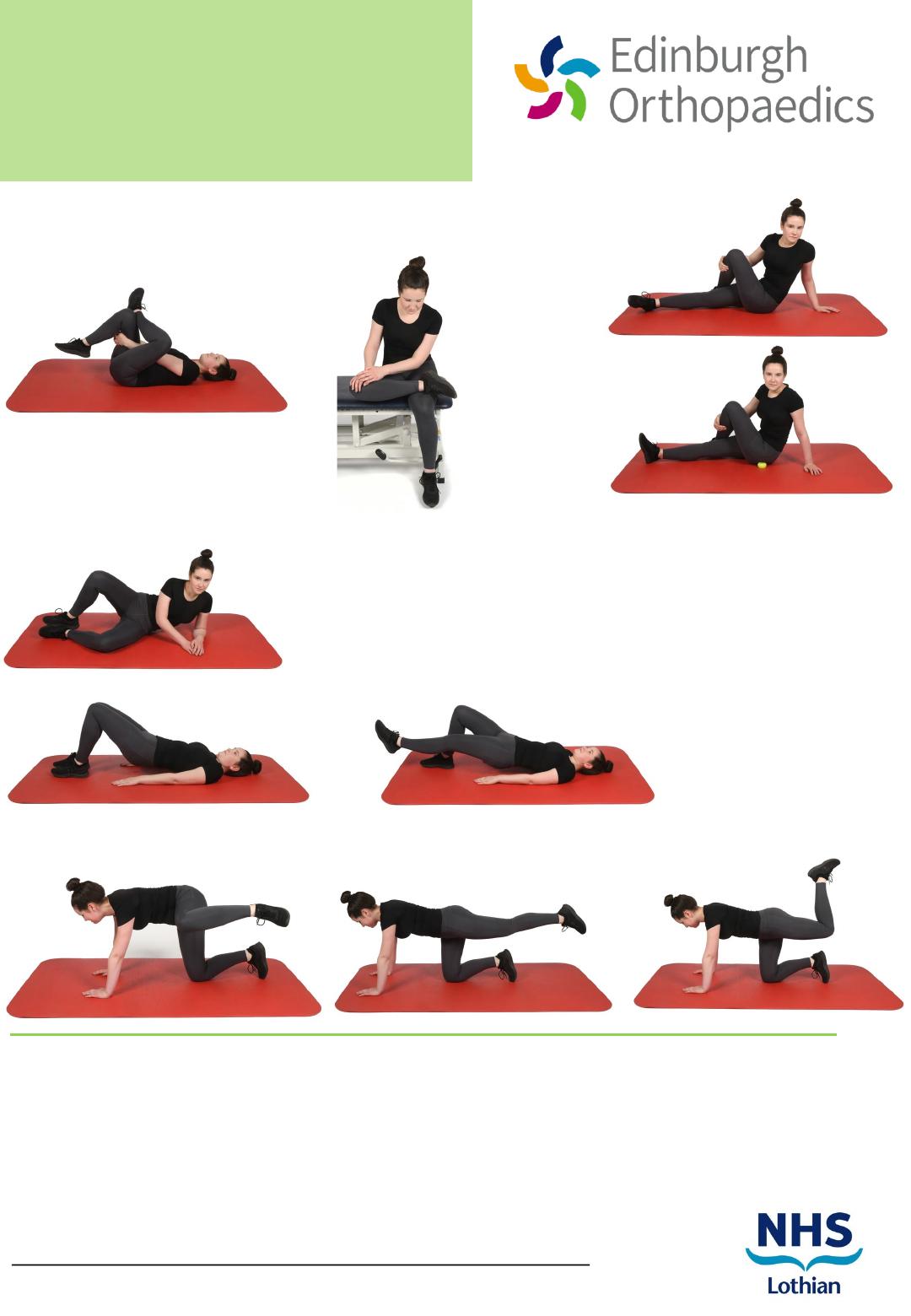
Flexibility and strength exercises see overleaf
Heat to help improve flexibility
Pain killers eg paracetemol and/or anti inflammatories eg ibuprofen
take as directed
Occasionally an injection of corticosteroid may help
Very rarely surgery is indicated.
Piriformis Syndrome
Patient Information Sheet
What do I need to know?
FLEXIBILITY exercises:
STRENGTHENING exercises:
Physiotherapy
Edinburgh self referralcomplete form
East Lothian self referraltelephone
Midlothian referral from GP
West Lothian referral from GP
Where To Find Us Musculoskeletal Physiotherapy (nhslothian.scot)
https://services.nhslothian.scot/musculoskeletal/where-to-find-us/
v1.0 approved by NHS Lothian Patient Information Jan 25, Review: Jan 28
Hold each position
for 30 seconds
Massage glutes on tennis ball
Images by NHS Lothian Medical Photography Services
/ 2
End of Document
385
You May Also Like

FAQs of Piriformis Syndrome Patient Information Sheet NHS Lothian

What are the common symptoms of piriformis syndrome?
Common symptoms of piriformis syndrome include tingling, numbness, and burning sensations in the back of the thigh, which may occasionally extend to the foot. Patients often report tenderness in the buttock and a dull ache or burning sensation in the hip, groin, and mid-buttock area. Additionally, affected individuals may experience heaviness or fatigue in the leg, particularly when sitting on hard surfaces.
What causes piriformis syndrome?
Piriformis syndrome is primarily caused by pressure on the sciatic nerve due to the piriformis muscle. This pressure can occur from muscle spasms, inflammation, or anatomical variations where the nerve travels near or through the muscle. Other contributing factors include a sudden increase in physical activity or compensatory movements due to other lower extremity injuries.
How can piriformis syndrome be treated effectively?
Effective treatment for piriformis syndrome includes applying ice packs to reduce inflammation and resting from activities that aggravate symptoms. Patients are encouraged to engage in flexibility and strength exercises to improve muscle function. Heat therapy can also be beneficial for enhancing flexibility, and over-the-counter pain relievers like ibuprofen may help manage discomfort.
What risk factors increase the likelihood of developing piriformis syndrome?
Risk factors for developing piriformis syndrome include participating in sports that involve running or jumping, as well as prolonged activities such as walking up hills or stairs. Poor physical conditioning characterized by a lack of strength and flexibility can also contribute to the onset of this condition.
Are there any surgical options for piriformis syndrome?
Surgery for piriformis syndrome is rarely indicated and is typically considered only after conservative treatment options have failed. In most cases, patients can find relief through non-invasive methods such as physical therapy, medication, and lifestyle modifications.
What exercises are recommended for managing piriformis syndrome?
Recommended exercises for managing piriformis syndrome include flexibility and strengthening exercises that target the hip and buttock muscles. Specific stretches can help alleviate tension in the piriformis muscle, while strengthening exercises can improve overall stability and support. Patients are advised to hold each stretch for at least 30 seconds to maximize effectiveness.
How does piriformis syndrome affect daily activities?
Piriformis syndrome can significantly impact daily activities by causing discomfort and limiting mobility. Individuals may find it challenging to sit for extended periods, especially on hard surfaces, and may experience pain during activities such as walking, climbing stairs, or engaging in sports. Addressing the symptoms through appropriate treatment and exercises is essential for restoring normal function.

Related of Piriformis Syndrome Patient Information Sheet NHS Lothian