UFLI Heart Word Printable Cards for Teaching Literacy

UFLI Heart Word Printable Cards for Teaching Literacy

UFLI Heart Word Printable Cards are designed to assist educators in teaching irregular words to students. These cards help students identify and practice the irregular parts of words, enhancing their orthographic mapping skills. Each card features a heart symbol to highlight the letters that do not conform to standard phonetic rules, making it easier for learners to focus on these exceptions. Ideal for teachers and tutors, these resources support literacy development for early readers and struggling learners. The cards include a variety of commonly used irregular words, ensuring comprehensive coverage for effective instruction.

Key Points

  • Features heart symbols to indicate irregular grapheme-phoneme correspondences in words.
  • Supports orthographic mapping to enhance reading and spelling skills.
  • Includes a variety of commonly used irregular words for comprehensive literacy instruction.
  • Designed for educators to assist early readers and struggling learners in mastering irregular words.
257
/ 25
© 2022 University of Florida Literacy Institute
Printable Cards for Irregular “Heart” Words
An irregular word is one that cannot be readily decoded because either
o it includes grapheme-phoneme correspondences that are unique to that
word or a few words (permanently irregular words), or
o the student has not yet learned all the grapheme-phoneme
correspondences in the word (temporarily irregular words).
Contrary to popular belief, students should not be taught to memorize irregular
words by sight. In most irregular words, only one or two letters do not conform to their usual sound
correspondence. This means that
most
irregular words are at least partially decodable. Rather than relying
on visual memorization, instruction in irregular words should promote students’ orthographic mapping.
This means that the focus should be on connecting the letters in the word to the sounds they represent,
even if the correspondence is an unusual one.
To teach new irregular words, you should guide your students in
identifying the irregular part of the wordthe letter or letters that don’t
follow regular phonetic rules. These are the parts of irregular words that
must be learned “by heart.”
On the cards in this set, the irregular parts are designated with a heart
shape. Point out the irregular part(s) and discuss the unexpected
grapheme-phoneme correspondences with your students. The purpose
of this process is to support the student’s orthographic mapping of the word.
Present each word initially with the symbols (i.e., hearts and boxes) covered up. Begin by showing the
students the word and saying the word aloud. The students repeat the word, and then you and the
students find the irregular part together by matching the phonemes in the word with the graphemes and
identifying any irregular grapheme-phoneme correspondence(s). Also, point out any chunks of words that
may be helpful in identifying other words (e.g., the -ould in could, would, and should). Once the irregular
part(s) of the word and any useful chunks have been identified, the students should practice reading and
spelling the word using the following steps:
1. Students say the sounds in the word together with you, including the sound that is represented by
an irregular grapheme, and then blend the sounds together to form the word.
2. Students say the sounds in the word on their own, including the sound that is represented by an
irregular grapheme, and then blend the sounds together to form the word.
3. Students write the word while saying each sound. Repeat writing the word while saying the sounds
2-4 more times. Using varied practice (e.g., write it big, small, fast, slow) can make this activity more
engaging.
If you are using these cards to accompany UFLI Foundations lessons, please note that only permanently
irregular words are included, and the symbols on each card align with permanent irregularities in the word.
For example, in Lesson 1, “the” is taught as an irregular word, and because students have not yet learned
the graphemes, both “th” and “e” are marked with a heart in the lesson slides. In later lessons, the “th”
grapheme is taught, so that part of the word becomes regular at that point. Therefore, on the card in this
set, only the “e” in theis marked with a heart because it is the only part of the word that is permanently
irregular.

Printable Cards for
Irregular “Heart” Words
the
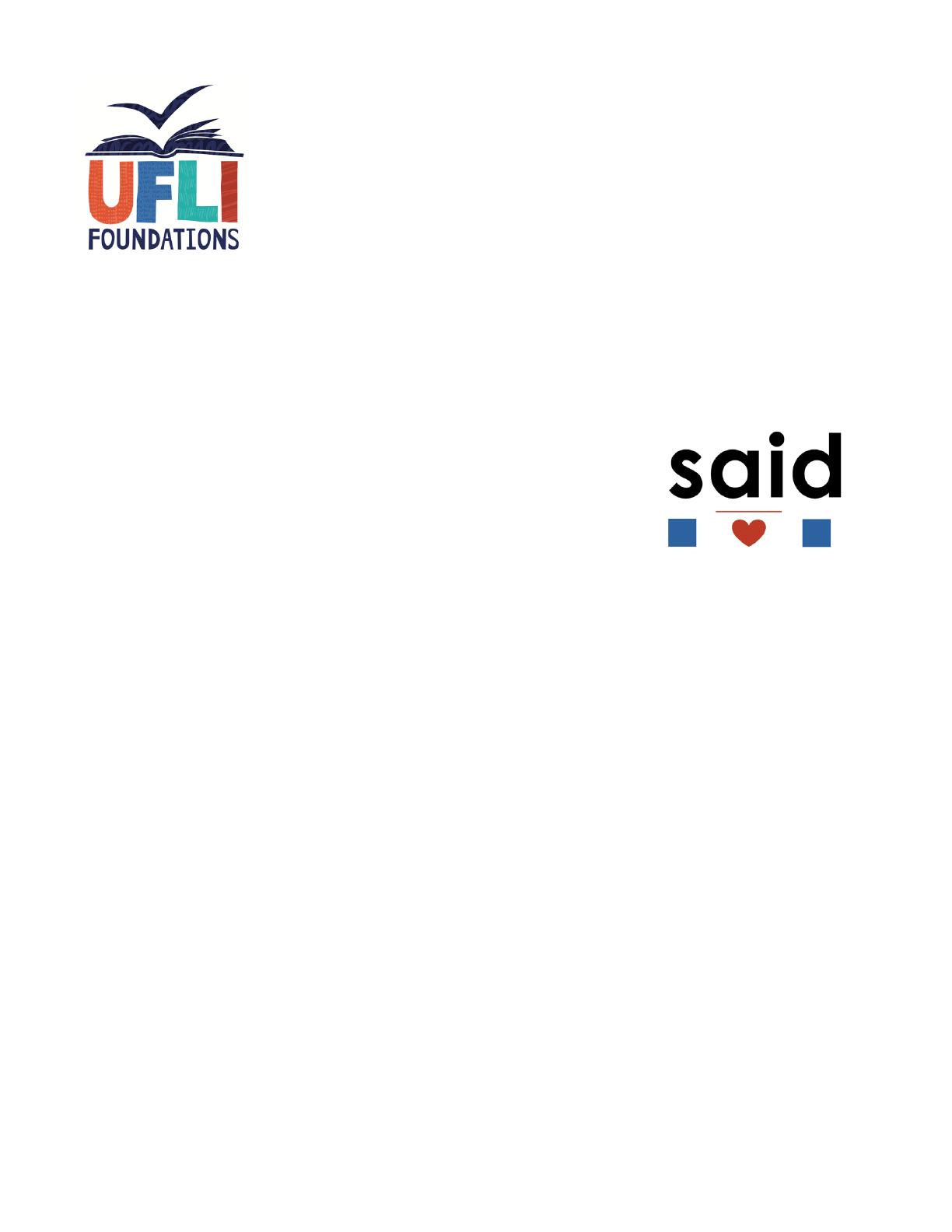
said
to
do
of
from
/ 25
End of Document
257
You May Also Like

FAQs of UFLI Heart Word Printable Cards for Teaching Literacy

How do UFLI Heart Word Printable Cards help with literacy?
UFLI Heart Word Printable Cards are specifically designed to assist students in recognizing and mastering irregular words. By highlighting the irregular parts of each word with heart symbols, these cards draw attention to the letters that do not follow typical phonetic rules. This method encourages students to focus on the unique sound-letter correspondences, enhancing their reading and spelling abilities. As students practice with these cards, they develop stronger orthographic mapping skills, which are essential for fluent reading.
What is the purpose of the heart symbols on the cards?
The heart symbols on UFLI Heart Word Printable Cards serve to identify the irregular parts of words that do not conform to standard phonetic rules. By marking these letters, educators can guide students in recognizing which components of the word require special attention. This visual cue helps students understand the concept of irregularity in spelling, making it easier for them to remember and apply these words in their reading and writing. Ultimately, this approach supports more effective literacy instruction.
What types of words are included in the UFLI Heart Word cards?
The UFLI Heart Word Printable Cards include a variety of commonly used irregular words that are essential for early literacy development. These words are selected based on their frequency in written language and the challenges they present to young readers. By practicing with these cards, students can improve their recognition and spelling of words that do not follow typical phonetic patterns, such as 'said', 'could', and 'would'. This targeted practice is crucial for building a strong foundation in reading.
Who can benefit from using the UFLI Heart Word Printable Cards?
UFLI Heart Word Printable Cards are beneficial for educators, tutors, and parents working with early readers and struggling learners. These cards provide a structured approach to teaching irregular words, making them an effective resource for literacy instruction. Teachers can use them in classrooms or tutoring sessions to help students gain confidence in their reading and spelling abilities. Additionally, parents can incorporate these cards into home learning activities to reinforce literacy skills.
How can educators use the UFLI Heart Word cards in their teaching?
Educators can use UFLI Heart Word Printable Cards in various ways to enhance literacy instruction. One effective method is to introduce each word by saying it aloud and having students repeat it, followed by identifying the irregular parts together. Teachers can then guide students through practice activities, such as writing the words while articulating the sounds. This interactive approach not only engages students but also reinforces their understanding of irregular words, making learning more effective.

Related of UFLI Heart Word Printable Cards for Teaching Literacy

